
Breathable Limecrete Floor with Underfloor Heating
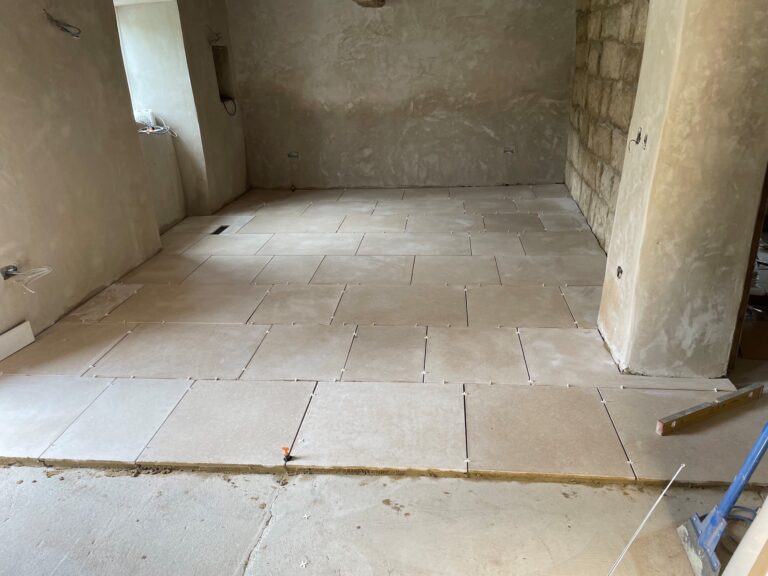
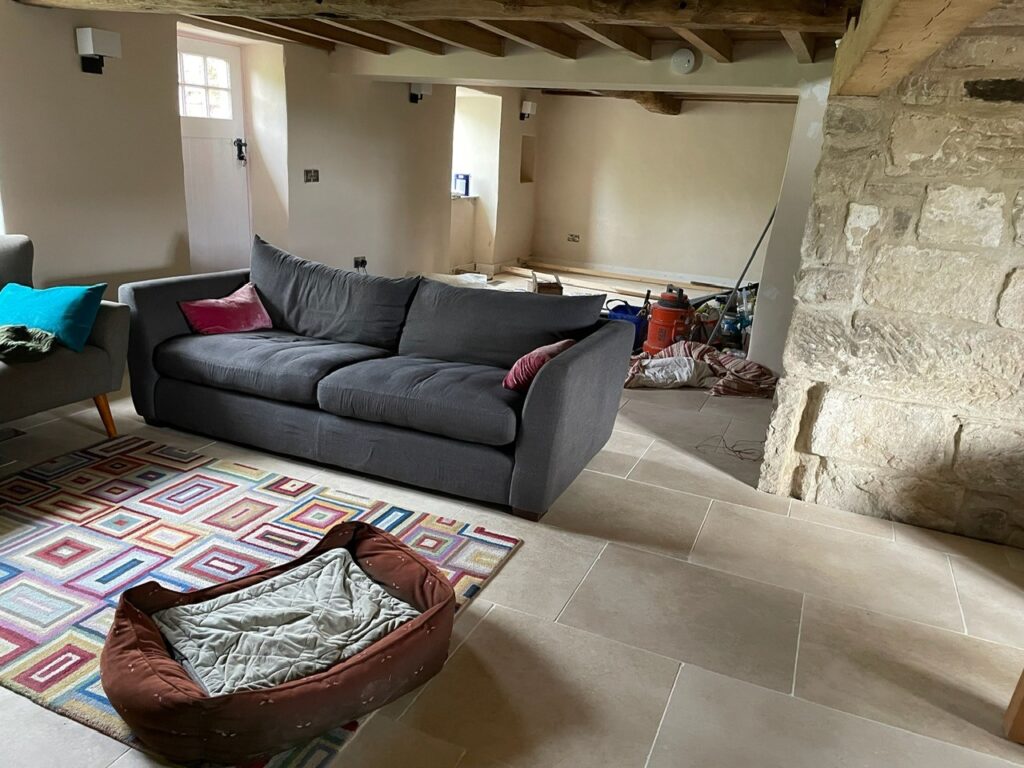
The project utilised a breathable insulated limecrete floor system, combining natural hydraulic lime with recycled foam glass aggregate to create a high-performance floor build-up that works in harmony with traditional buildings.
Photography & Contractors : LEDA ltd.
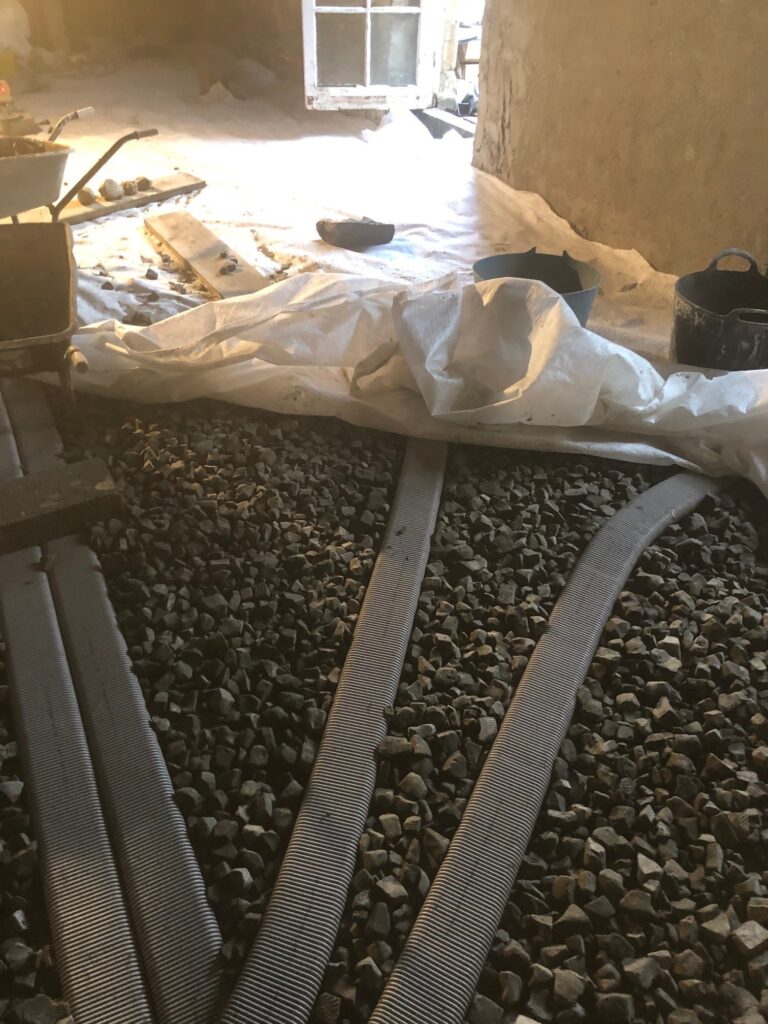
The system begins with a layer of foam glass aggregate, a lightweight insulating material manufactured from 99% recycled glass. This layer provides both insulation and a stable sub-base for the floor while helping to reduce heat loss to the ground. Unlike many conventional insulation materials, foam glass aggregate is non-capillary, meaning it does not draw moisture upwards, making it particularly suitable for older properties where moisture management is important.
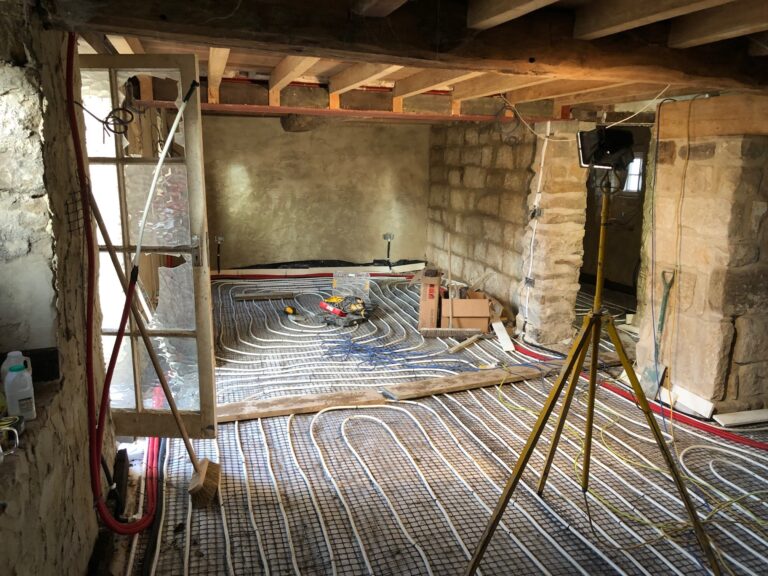
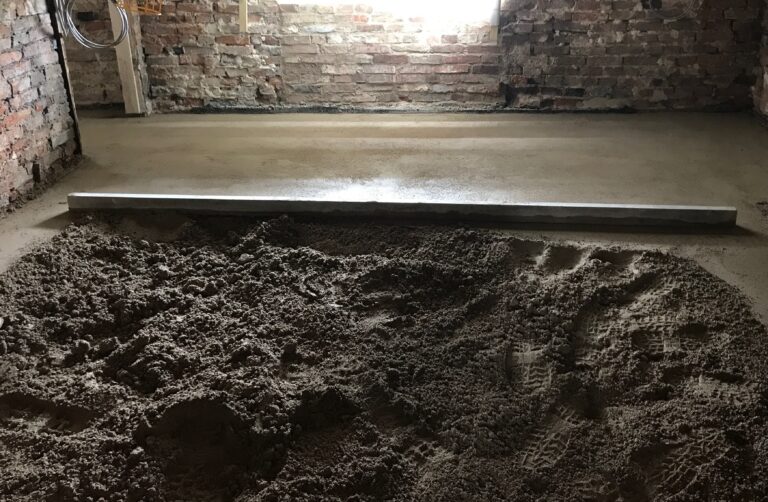
Above the foam glass insulation, a geogrid reinforcement layer is installed to provide stability and help distribute loads across the floor structure. Underfloor heating (UFH) pipes are then fixed to the geogrid before being encapsulated within the limecrete slab. The limecrete acts as a thermal mass, absorbing and distributing heat evenly throughout the floor surface to provide consistent and comfortable heating across the room while improving the efficiency of the heating system.
A key benefit of a limecrete floor is its ability to work with moisture rather than trying to completely block it. Unlike many modern floor constructions that rely on impermeable materials, a limecrete floor allows the building fabric to respond more naturally to changes in humidity.
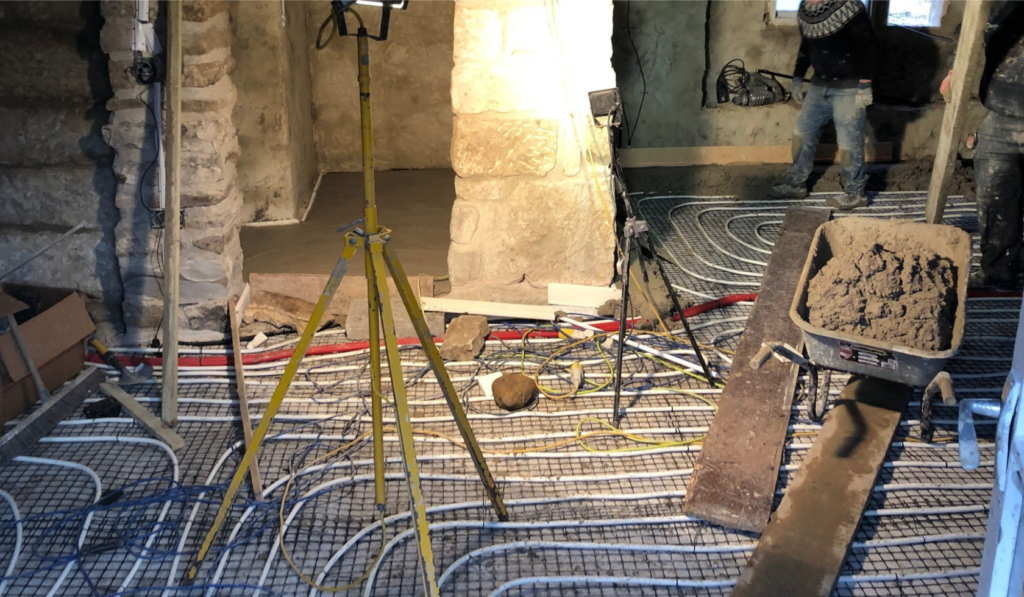
The inclusion of GEOCELL foam glass aggregate beneath the slab provides both insulation and moisture control. Manufactured from recycled glass, the foam glass layer does not absorb water and helps separate the floor from ground moisture while reducing heat loss.
Together, the limecrete and foam glass create a floor system that balances thermal performance with moisture management. This makes it particularly suitable for older and traditional buildings, where maintaining the natural behaviour of the building fabric is often just as important as improving energy efficiency.
See our system page for details of the component ratios and performance
system products


Foam Glass Aggregate


Cork Insulation Boards
Lime Products
No block ID is set